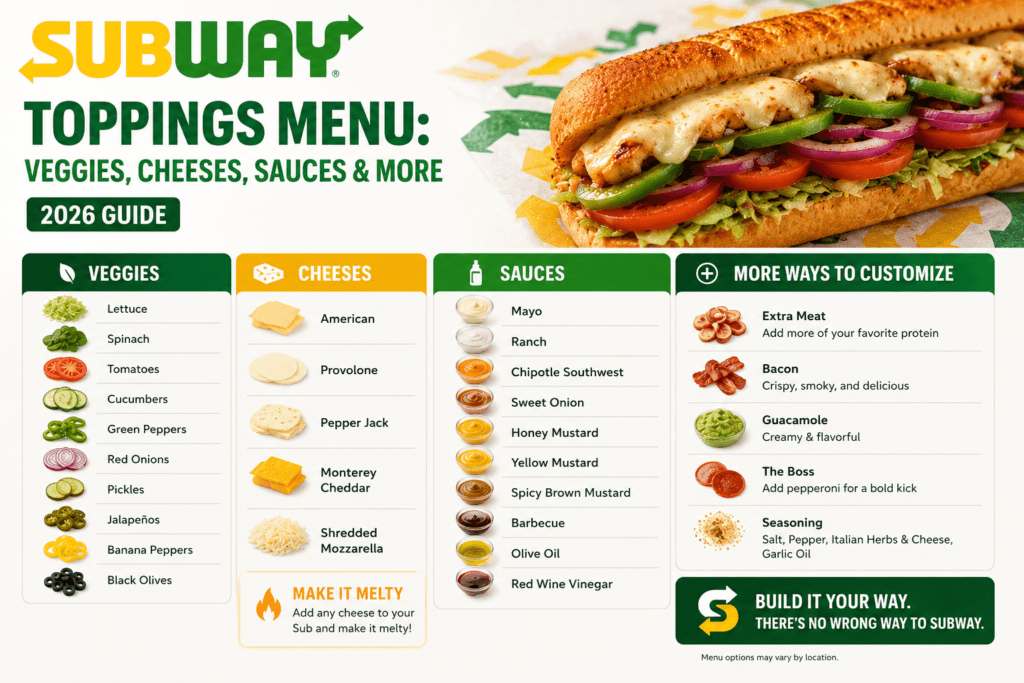
This guide walks through every part of the Subway toppings menu, including veggies, cheeses, sauces, what is free, what costs extra, and the combinations worth ordering. It is written for customers across the US, UK, Canada, and Italy, so treat specifics as a guide, since availability shifts by location.
Quick answer: Subway offers around ten fresh veggies, six cheeses, and ten-plus sauces. Most vegetables, standard sauces, and one portion of cheese come included. Extras like double cheese, bacon, or avocado cost more.
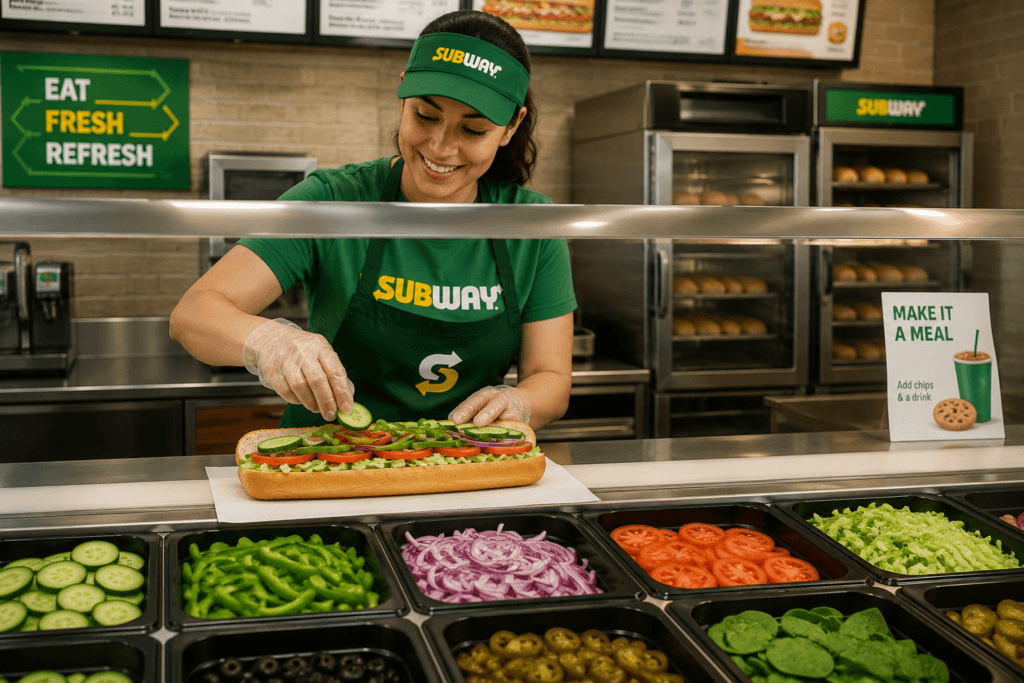
What Is on the Subway Toppings Menu?
The Subway toppings menu breaks into four groups: fresh vegetables, cheeses, sauces and dressings, and seasonings. You can mix freely across all four on any sub, wrap, or salad.
Here is the key rule on cost. Most fresh veggies and standard sauces are free, and one cheese portion is usually built in. Premium add-ons and extra portions are where charges appear.
Subway Veggie Toppings
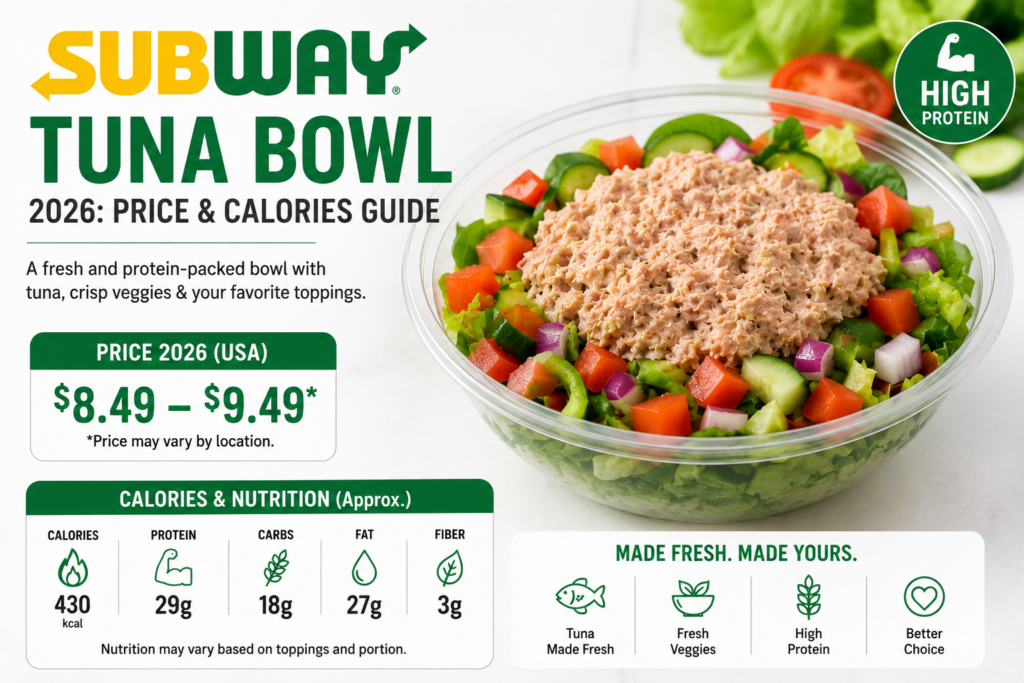
Vegetables are the heart of the menu. They add crunch and volume with very few calories, which is why veggie-heavy builds are the easy way to eat lighter.
- Lettuce – the crisp, neutral base for almost any sub
- Spinach – a little more flavor and nutrition than lettuce
- Tomatoes – juicy and lightly sweet
- Cucumbers – cool, refreshing crunch
- Green bell peppers – mild and slightly bitter
- Red onions – sharp and bold
- Black olives – salty, Mediterranean note
- Jalapeños – gentle heat for spicy builds
- Pickles – tangy and acidic
- Banana peppers – tangy, though availability varies by store
Key takeaway: Adding more vegetables is the simplest free upgrade on the entire Subway toppings menu.
Subway Cheese Options
Cheese adds richness and melt, especially on a toasted sub. One slice or portion is usually included in the standard price, while extra cheese typically costs more.
- Processed cheddar – mild, creamy, melts evenly
- Monterey cheddar – slightly sharper, great on steak
- American – soft and smooth
- Mozzarella – light and stretchy, ideal for Italian subs
- Provolone – mild with a gentle tang
- Pepper jack – mild spice, availability varies by location
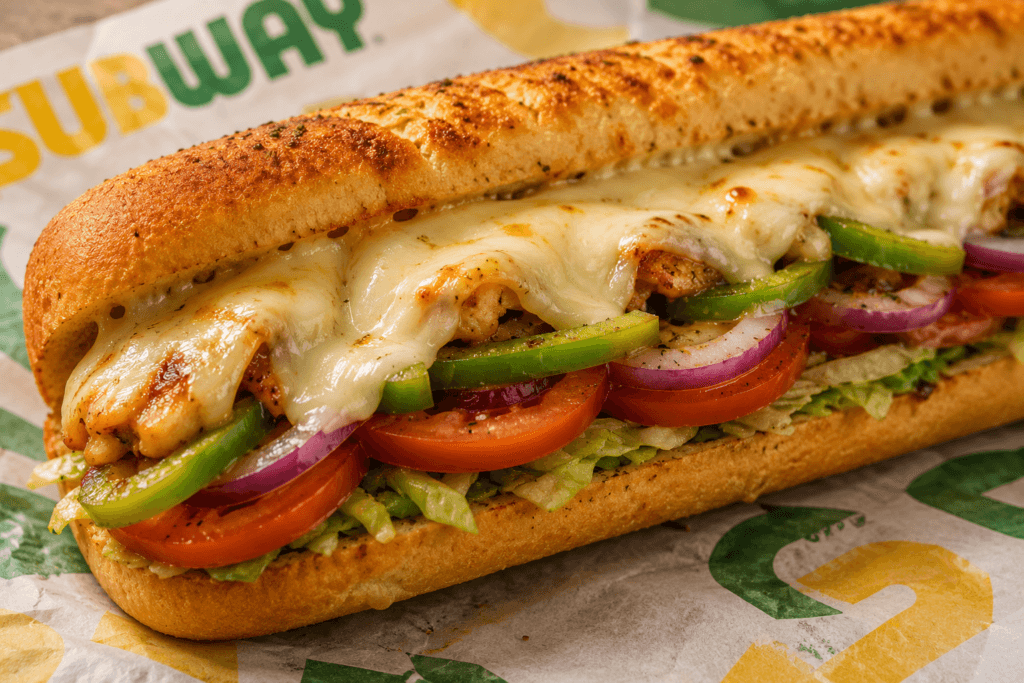
Monterey cheddar and provolone melt especially well when toasted. Lighter cheeses keep the sandwich softer and less heavy.
Subway Sauces and Dressings
Sauces tie everything together by adding moisture and personality. The Subway toppings menu covers creamy, sweet, spicy, and light options, so there is a match for every protein.
Creamy Sauces
Richer and higher in calories, best on chicken, steak, and bacon.
- Chipotle Southwest, smoky with mild heat
- Regular mayonnaise, the classic
- Ranch, tangy and smooth
- Roasted garlic aioli, bold garlic flavor (varies by location)
Sweet and Tangy Sauces
Lighter sweetness that pairs well with turkey, ham, and grilled chicken.
- Honey mustard, fat-free and lightly sweet
- Sweet onion, fat-free and popular on teriyaki chicken
- BBQ, sweet and smoky
Spicy and Light Options
- Creamy sriracha for heat lovers, where available
- Olive oil blend and red wine vinegar for a lighter, Italian-style finish
Seasonings round it out: salt, black pepper, oregano, and grated parmesan are all free and worth using on toasted subs.
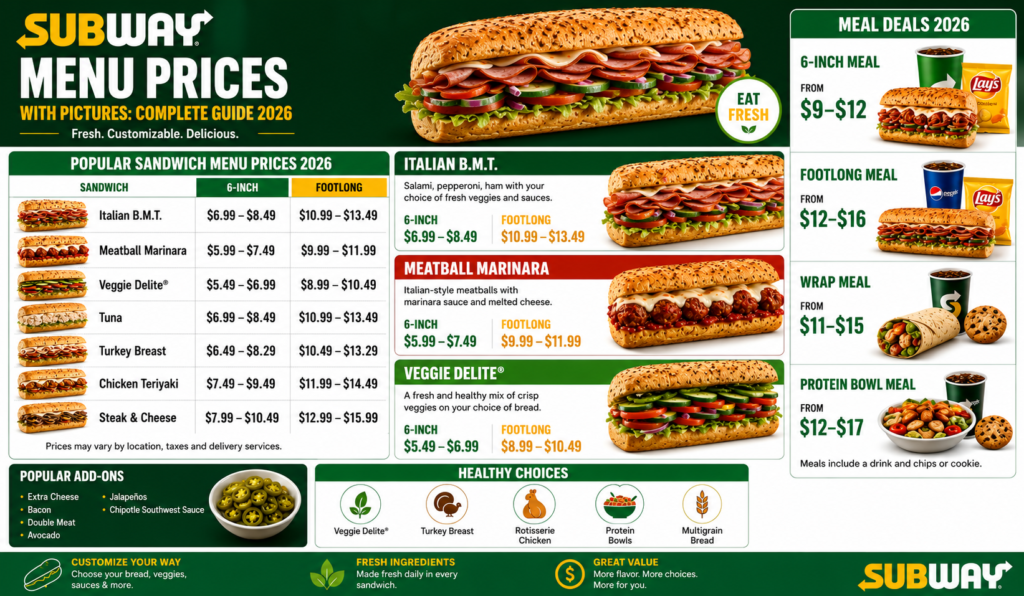
Free vs Paid Subway Toppings
Knowing what is included keeps your order on budget. This is the part most menu pages gloss over.
| Topping Type | Cost | Notes |
|---|---|---|
| Fresh vegetables | Free | Add as many as you like within reason |
| Standard sauces | Free | Mayo, honey mustard, sweet onion, BBQ, and more |
| Seasonings | Free | Salt, pepper, oregano, parmesan |
| One cheese portion | Usually included | Built into most sandwich prices |
| Extra cheese | Paid | A small upcharge per added portion |
| Bacon | Paid | Adds protein, fat, and cost |
| Smashed avocado | Paid | Extra charge in most US stores |
| Double meat | Paid | The biggest add-on to price |
Best Subway Topping Combinations
Since toppings are mostly free, the real value is knowing which combinations work. Here are reliable picks by situation.
- Best overall: Lettuce, tomato, red onion, Monterey cheddar, and Chipotle Southwest. Balanced, flavorful, and works on most proteins.
- Best for families: Lettuce, tomato, cucumber, mild cheddar, and a touch of ranch. Crowd-friendly and not too bold for kids.
- Best for spice lovers: Jalapeños, pepper jack, creamy sriracha, and Chipotle Southwest. Layered heat with a creamy finish.
- Best lighter pick: Spinach, cucumbers, green peppers, black olives, and honey mustard. Fresh, low in calories, and satisfying.
- Best for vegetarians: Load every fresh veggie plus mozzarella, oil, vinegar, and oregano for an Italian-style veggie sub.
- Best premium add-on: Smashed avocado. It costs extra, but it adds creaminess and healthy fats that justify the upgrade for many.
Pros and Cons of Loading Up on Toppings
More is not always better. A quick honest look helps you build smarter.
Pros: Extra vegetables boost nutrition and volume for free, sauces add flavor without much cost, and customization means no two subs need to taste the same.
Cons: Overloading can make the sub hard to close or toast evenly, creamy sauces add calories fast, and pickles, olives, and some sauces push sodium higher than you might expect.
Ordering Tips for the Subway Toppings Menu
A few practical habits make every order better.
- Match the sauce to the protein. Creamy with chicken and steak, tangy with turkey and veggies.
- Avoid doubling creamy sauces, which makes the bread soggy.
- Combine two sauces, like sweet onion with a little sriracha, for a custom flavor.
- Ask for sauces on the side if you are watching calories or transporting your sub.
- Toast before adding cold veggies so the cheese melts and the lettuce stays crisp.
Why You Can Trust This Guide
These lists reflect the current Subway toppings menu as confirmed across up-to-date 2026 menu references, then organized by what actually matters when you order: flavor pairing, cost, and nutrition.
The advice here is practical, not promotional. We flag the unglamorous truths too, like the fact that extra cheese and avocado cost more, and that piling on creamy sauce can quietly double the calories of an otherwise light sandwich.
Frequently Asked Questions
What toppings does Subway offer? The Subway toppings menu includes fresh veggies like lettuce, tomatoes, cucumbers, peppers, onions, olives, jalapeños, and pickles, plus cheeses such as cheddar, Monterey cheddar, mozzarella, and provolone, and sauces from Chipotle Southwest to honey mustard.
Are Subway toppings free? Most vegetables, standard sauces, seasonings, and one cheese portion are included. Extra cheese, bacon, avocado, and double meat usually cost more, and prices vary by location.
What is the healthiest topping at Subway? Fresh vegetables are the healthiest choice since they add almost no calories. Oil and vinegar are lighter than creamy dressings like mayo or ranch.
Which sauces are on the Subway toppings menu? Common options include Chipotle Southwest, mayonnaise, ranch, honey mustard, sweet onion, BBQ, olive oil blend, and red wine vinegar. Some, like creamy sriracha and garlic aioli, depend on region.
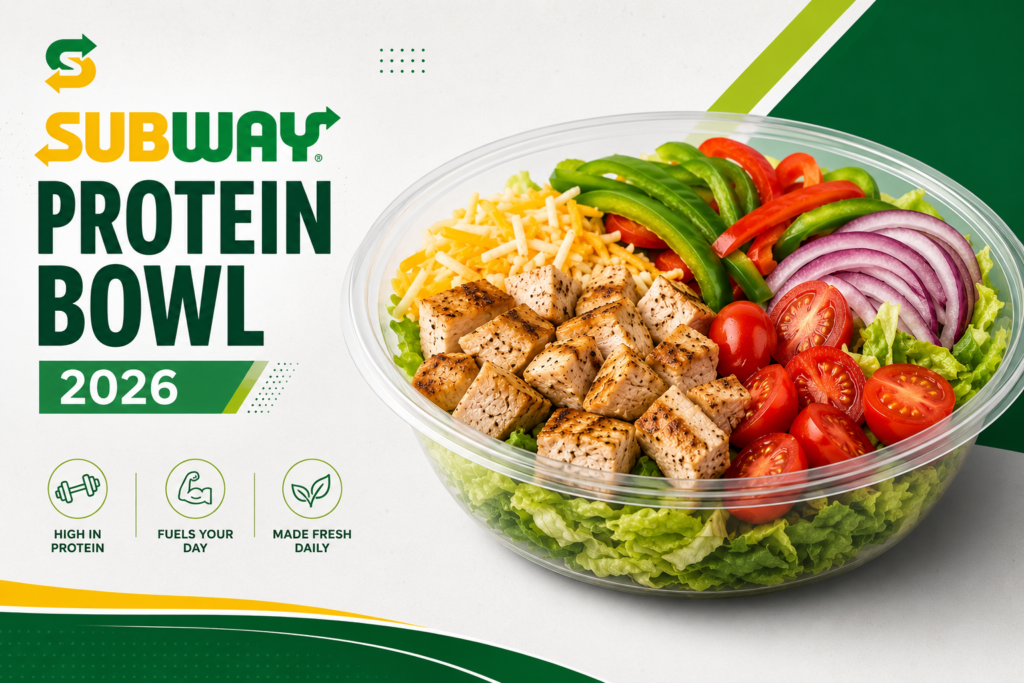
Can you add toppings to a Subway salad? Yes. The same veggies, cheeses, and sauces are available on subs, wraps, and salads, so you can build a salad bowl with any combination.
Final Verdict
The strength of the Subway toppings menu is freedom. With around ten veggies, six cheeses, and a deep sauce list, almost all of it free, you can rebuild the same sandwich a dozen ways.
Start with a balanced combo like cheddar, fresh veggies, and one well-matched sauce, then adjust to your taste. Save the paid extras like avocado or double cheese for when you really want them, and your order stays both delicious and affordable.
Expert Tip
Order your sauce lightly and on the side when you can, then add it yourself. Sandwich artists are trained to be generous, and a single extra squeeze of a creamy sauce can add more calories than the cheese. Controlling the sauce is the easiest way to keep a custom sub both tasty and light.